
When History Rhymes
May 2026
Letter to Our Clients
There are moments in history that feel distant…until they begin to rhyme with the present.
Unless you live under a rock, which is admittedly tempting these days, you’re probably looking at the situation of the Strait of Hormuz, as well as rising geopolitical tensions in the Middle East, and thinking about what it could all mean for markets, inflation, and the broader economy.
For some, this feels entirely new. For others, especially those who remember the late 1970s, a familiar emotional undertone is beginning to emerge: Long gas lines. Energy insecurity. Inflation. A sense that the world feels more fragile than it did only few years ago.
In 1979, the Iranian Revolution disrupted global oil markets and exposed just how dependent the economy had become on a narrow set of energy corridors and political relationships.
The result wasn’t simply an oil crisis; it was a crisis of confidence. People weren’t just reacting to gas shortages: They were reacting to uncertainty itself.
And now, we find ourselves watching another critical chokepoint in global energy markets coming into focus. The Strait of Hormuz remains one of the most important shipping lanes in the world. A meaningful percentage of global oil and liquified natural gas still passes through this narrow corridor.
Once again, markets are reminded that their prosperity often rests on systems that appear stable…until, suddenly, they aren’t.
At Conscious Wealth, we believe it’s important to hold two truths at the same time.
First, these moments matter. Geopolitical instability can create real economic consequences. Energy prices affect inflation, supply chains, consumer sentiment, interest rates, and corporate earnings. More importantly, these conflicts carry a very real human cost.
But the second truth is equally important: Uncertainty itself isn’t new.
Every generation encounters periods when the future feels harder to predict: Wars, recessions, political transitions, financial crises. And yet, long-term investors who remain grounded in discipline, perspective, and intentionality have historically been rewarded—not for predicting every headline, but for avoiding emotionally driven decisions during times of fear.
One of the more complicated aspects of history is that we often judge leaders only by the moments of crisis that surround them.
Jimmy Carter is remembered by many Americans through the lens of inflation, gas lines, and the hostage crisis. But, after his presidency, he became one of the world’s most visible advocates for peace, diplomacy, humanitarian work, and human rights.
That tension deserves pause.
Recently, we opened an office along Atlanta’s Freedom Park Trail, the path that physically connects The King Center and The Carter Center. (Please come visit us!)
We’ve spent a great deal of time reflecting on the symbolism of this geography: One legacy rooted in civil rights, moral courage, and nonviolence. Another rooted in diplomacy, peacebuilding, and human rights. Between them sits the reality that leadership is often forged in moments of conflict, uncertainty, and imperfection.
We also believe there’s wisdom in this tension.
Jimmy Carter once said, “The bond of our common humanity is stronger than the divisiveness of our fears and prejudices.”
At a time when fear and division can easily dominate the public conversation, we believe those words still matter, that kindness still matters, and that humanity is paramount. And it may come as no surprise to you that we continue to return to a core investing principle:
Know what you own and why you own it.
Our role isn’t to ignore risk, or to react impulsively to every geopolitical development. Our responsibility is to remain thoughtful stewards of capital by continually evaluating risk, resilience, valuation, liquidity, and long-term opportunity within the context of your life and goals.
Our portfolios are built with the understanding that uncertainty isn’t an exception to markets, but a permanent feature.
In gratitude and peace,
Brandon Hatton
CEO & Chief Investment Officer
Subscribe
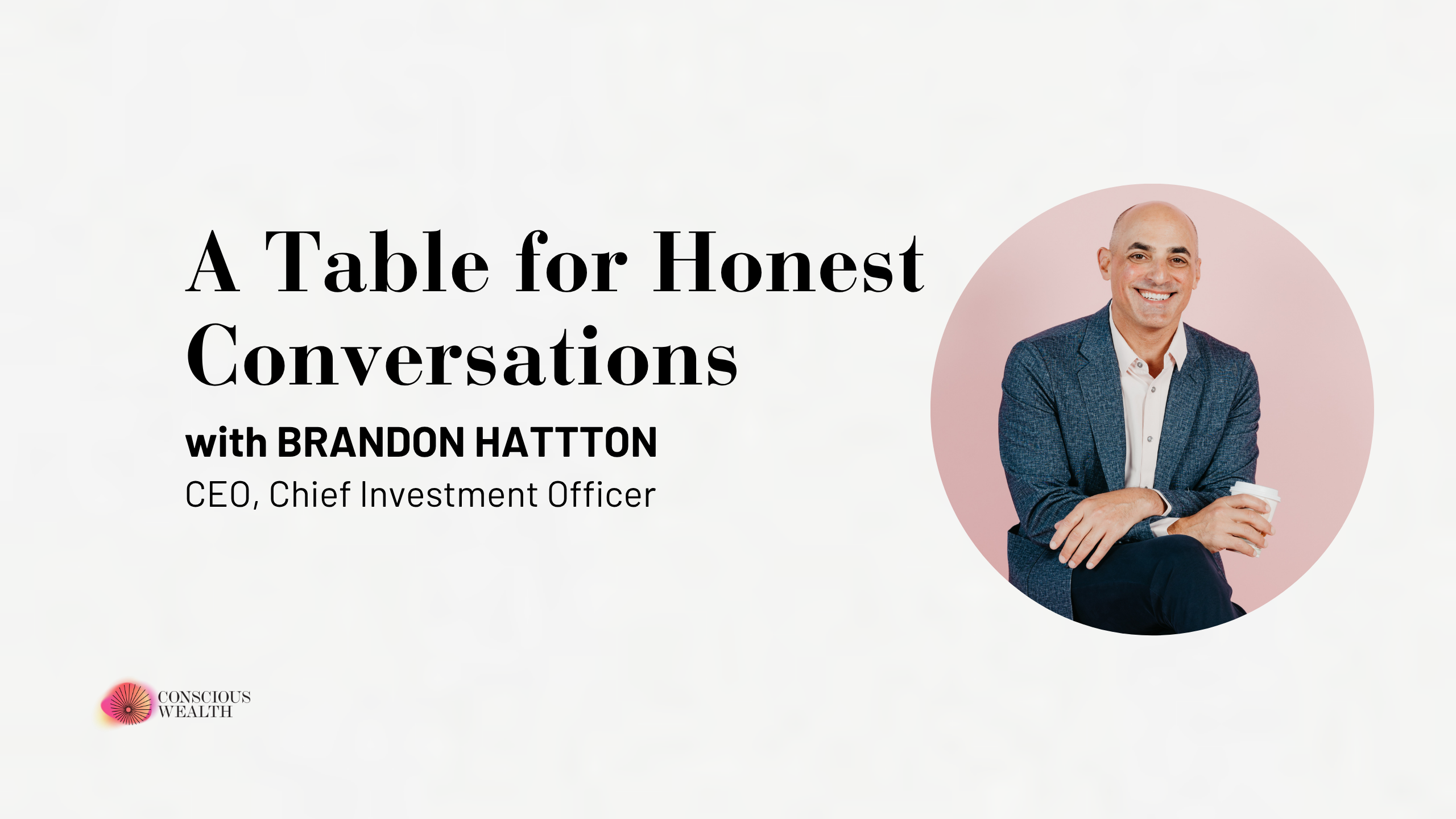
A Table for Honest Conversations
What is the purpose of money? Forget that question. It is a stupid question. Okay, perhaps not stupid. But it will lead to soapboxing and pontificating.
Read Now >>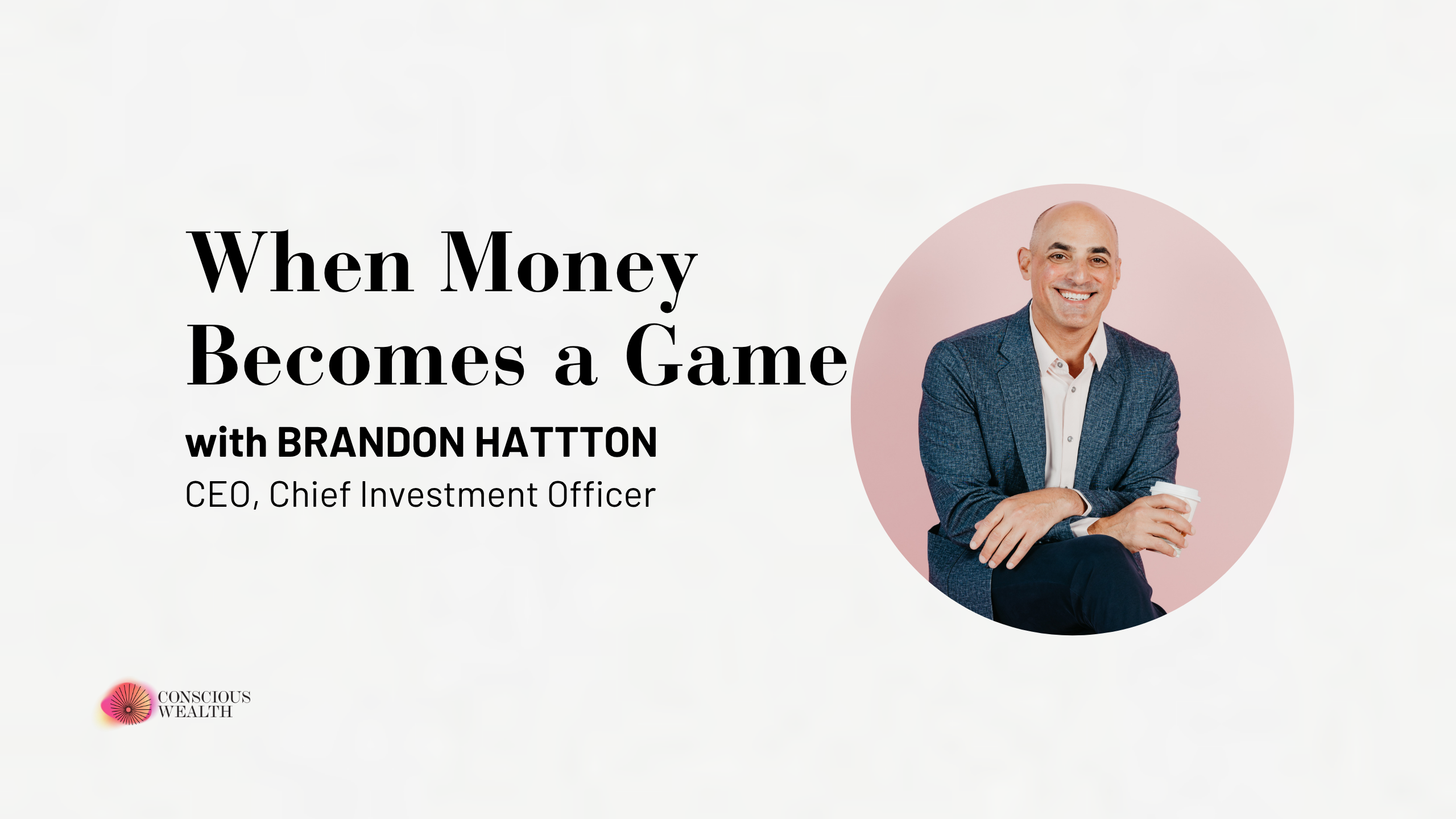
When Money Becomes a Game
What is happening in the prediction markets is very concerning! Prediction markets are a relatively new form of speculation where people can place financial bets on everything from elections and economic outcomes to cultural events and public figures. Prediction or more aptly named Gambling markets require your attention because they most likely hold the attention of someone you love.They can also slowly, or quite rapidly, eat away at your life’s work.
Read Now >>.png)
The Consigliere
Robert Duvall was born into a life shaped by structure. His father was a career Navy officer who rose to the rank of Rear Admiral. Like many military families, they often moved. The expectations were clear: discipline and duty mattered. But alongside that structure was something quieter. It was his mother's love for theater that introduced a different kind of influence—one that required observation, patience, and presence.
Read Now >>May 2026
Letter to Our Clients
There are moments in history that feel distant…until they begin to rhyme with the present.
Unless you live under a rock, which is admittedly tempting these days, you’re probably looking at the situation of the Strait of Hormuz, as well as rising geopolitical tensions in the Middle East, and thinking about what it could all mean for markets, inflation, and the broader economy.
For some, this feels entirely new. For others, especially those who remember the late 1970s, a familiar emotional undertone is beginning to emerge: Long gas lines. Energy insecurity. Inflation. A sense that the world feels more fragile than it did only few years ago.
In 1979, the Iranian Revolution disrupted global oil markets and exposed just how dependent the economy had become on a narrow set of energy corridors and political relationships.
The result wasn’t simply an oil crisis; it was a crisis of confidence. People weren’t just reacting to gas shortages: They were reacting to uncertainty itself.
And now, we find ourselves watching another critical chokepoint in global energy markets coming into focus. The Strait of Hormuz remains one of the most important shipping lanes in the world. A meaningful percentage of global oil and liquified natural gas still passes through this narrow corridor.
Once again, markets are reminded that their prosperity often rests on systems that appear stable…until, suddenly, they aren’t.
At Conscious Wealth, we believe it’s important to hold two truths at the same time.
First, these moments matter. Geopolitical instability can create real economic consequences. Energy prices affect inflation, supply chains, consumer sentiment, interest rates, and corporate earnings. More importantly, these conflicts carry a very real human cost.
But the second truth is equally important: Uncertainty itself isn’t new.
Every generation encounters periods when the future feels harder to predict: Wars, recessions, political transitions, financial crises. And yet, long-term investors who remain grounded in discipline, perspective, and intentionality have historically been rewarded—not for predicting every headline, but for avoiding emotionally driven decisions during times of fear.
One of the more complicated aspects of history is that we often judge leaders only by the moments of crisis that surround them.
Jimmy Carter is remembered by many Americans through the lens of inflation, gas lines, and the hostage crisis. But, after his presidency, he became one of the world’s most visible advocates for peace, diplomacy, humanitarian work, and human rights.
That tension deserves pause.
Recently, we opened an office along Atlanta’s Freedom Park Trail, the path that physically connects The King Center and The Carter Center. (Please come visit us!)
We’ve spent a great deal of time reflecting on the symbolism of this geography: One legacy rooted in civil rights, moral courage, and nonviolence. Another rooted in diplomacy, peacebuilding, and human rights. Between them sits the reality that leadership is often forged in moments of conflict, uncertainty, and imperfection.
We also believe there’s wisdom in this tension.
Jimmy Carter once said, “The bond of our common humanity is stronger than the divisiveness of our fears and prejudices.”
At a time when fear and division can easily dominate the public conversation, we believe those words still matter, that kindness still matters, and that humanity is paramount. And it may come as no surprise to you that we continue to return to a core investing principle:
Know what you own and why you own it.
Our role isn’t to ignore risk, or to react impulsively to every geopolitical development. Our responsibility is to remain thoughtful stewards of capital by continually evaluating risk, resilience, valuation, liquidity, and long-term opportunity within the context of your life and goals.
Our portfolios are built with the understanding that uncertainty isn’t an exception to markets, but a permanent feature.
In gratitude and peace,
Brandon Hatton
CEO & Chief Investment Officer

